
Combat sports are fast-paced and dynamic, so understanding the nuances of boxing stances, particularly the difference between the “orthodox” and “southpaw” stances, is crucial.
The Orthodox stance is commonly adopted by right-hand dominant fighters who stand with their left foot and hand forward. The Southpaw stance is mostly adopted by left-hand dominant fighters who stand with their right foot and hand forward.
But what about when an Orthodox fighter has to face a Southpaw, or vice versa? Let’s dive into this topic to make sense of it across boxing and mixed martial arts.
Table of Contents
What is the Orthodox stance?
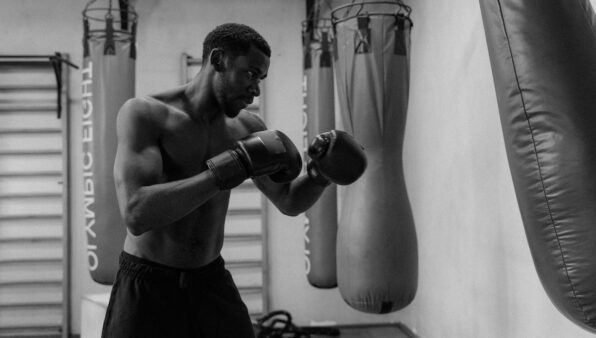
The orthodox stance is a fundamental position in boxing and combat sports, it involves having the left hand and foot forward.
This stance is naturally adopted by most right-handed fighters, enabling them to leverage their dominant right side for powerful strikes.
In an orthodox stance, the right foot and hand are positioned at the rear, allowing for increased force in punches as they pivot their hips forward with the rear cross.
Notable orthodox boxers who have mastered this stance include legends like:
- Muhammad Ali
- Joe Louis
- Floyd Mayweather Jr.
- Manny Pacquiao
- Mike Tyson
- Wladimir Klitschko
High-performing orthodox MMA fighters have also consistently showcased its effectiveness:
- Jon Jones
- Georges St-Pierre
- Anderson Silva
- Khabib Nurmagomedov
- Daniel Cormier
⭐️ Bonus: Want to become an Orthodox or Southpaw switch-hitting master? Learn the ropes with the Boxing Fundamentals Course!
What is the Southpaw stance?
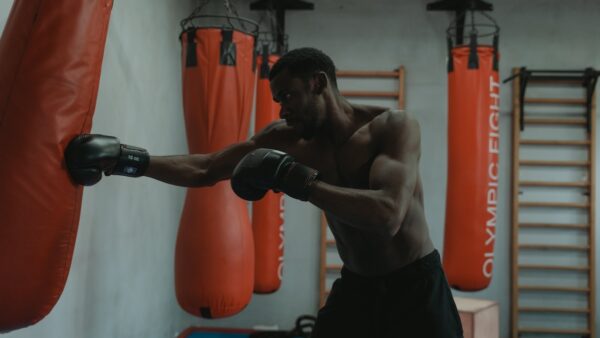
The southpaw stance in boxing and combat sports is the mirror opposite of the orthodox stance.
It means having the right hand and foot forward, making it the preferred choice for many left-handed fighters.
This stance allows southpaws to utilize their dominant left side for power punches, pushing forward with the rear cross.
Notable southpaw boxers include:
- Manny Pacquiao
- Marvin Hagler
- Pernell Whitaker
- Vasyl Lomachenko
Prominent southpaw MMA fighters in recent history are:
- Conor McGregor
- Robert Whittaker
- Demetrious Johnson
- Anthony Pettis
How to know if you’re Orthodox or Southpaw
Determining whether you’re an orthodox or southpaw fighter typically hinges on your natural hand dominance.
If you generally perform most tasks like writing and throwing with your right hand, you’d naturally adopt an orthodox stance.
Left-hand dominant people often favor the southpaw stance.
This alignment maximizes the power and efficiency of your dominant side by having it at the rear.
It’s not uncommon for fighters to experiment with both stances when having a dominant hand. In fact, the use of switching stances can be very beneficial in confusing your opponent and making it harder for them to defend.
Orthodox and Southpaw simultaneously
Ambidextrous fighters, often referred to as “switch hitters,” possess the unique ability to alternate between orthodox and southpaw stances.
This versatility allows them to adapt quickly during fights, keeping opponents off-balance and uncertain.
Some right-handed fighters choose to adopt a southpaw stance, and vice versa.
For instance, Terence Crawford, a naturally right-handed boxer, often fought in a southpaw stance.
MMA fighter Nick Diaz, predominantly left-handed, frequently switches to an orthodox stance, displaying the strategic advantage of using stance versatility in combat sports.
Benefits of an Orthodox stance
The orthodox stance offers advantages because it’s incredibly common. At least, it means ample training opportunities with similar stance partners where most fighters are also orthodox.
In orthodox vs orthodox matchups, fighters can exploit traditional defensive techniques like the jab and cross, which are well-drilled in training.
Orthodox fighters face the challenge of mirrored stances when against a southpaw opponent, which creates unique challenges.
For example, the orthodox fighter’s lead left jab is less effective against the southpaw’s right-hand lead.
But this also presents an opportunity to exploit the open side with right crosses and hooks, targeting the less guarded areas.
The key is how well the orthodox fighter can adapt their strategy to exploit angles and openings.
Benefits with a Southpaw stance
Southpaw fighters enjoy plenty of unique advantages.
One significant benefit is the element of surprise and unfamiliarity they bring to the ring.
Most fighters, being orthodox, are less used to facing southpaws, which can lead to defensive gaps and timing issues for them.
Southpaws can capitalize on this by using their dominant left hand for powerful straight punches and hooks, often catching orthodox opponents off-guard.
Their leading right hand is well-positioned for jabs and hooks to the weaker side that disrupt the rhythm of orthodox fighters.
This stance also allows for effective lateral movement and angles, making southpaws elusive and difficult to track down.
Unlike orthodox fighters, southpaws often find the majority of their success in countering regular stance opponents which can allow them to devastate.
Orthodox vs. Southpaw: which is better?
The Orthodox stance is far more common and so has a rich history of proven techniques and strategies from a hundred years of boxing coaches.
It’s familiar and intuitive for most fighters, especially right-hand dominant ones, to adopt classic boxing styles that focus on wearing opponents down with a jab and finishing with a power punch.
The southpaw stance offers a strategic advantage due to its rarity. Southpaws often catch orthodox fighters off-guard with unorthodox angles and counterhits.
The southpaw stance could hold a slight edge against the orthodox fighter, particularly in boxing.
It lies in the element of surprise and the less frequent exposure orthodox fighters have to southpaw opponents, leading to a potential tactical advantage for the southpaw.
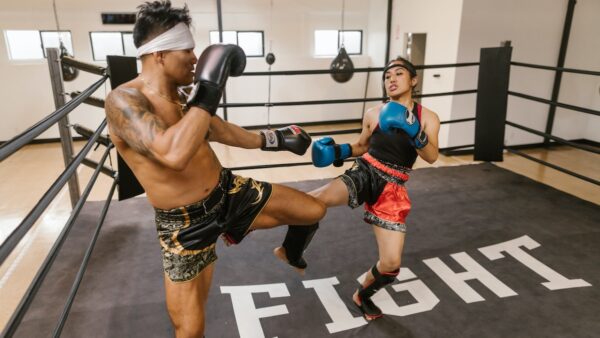
In MMA, the advantage may be smaller due to the multi-disciplined nature of the sport, which involves elbows, knees, kicks, and takedowns—fighters are typically more used to having to adapt to different stances and expecting attacks from all angles.
Ultimately, the effectiveness of either stance comes down to the fighter’s mastery of their chosen style and their ability to counter their opponent’s tactics.
A skilled fighter in either stance can overcome the other, making the ability to adapt quickly to unique scenarios the more impactful differentiator.
Dominate the ring with footwork fundamentals (with 25% off!)
MMA Hive readers get 25% off the Boxing Fundamentals Course by Day One Martial Arts. Use code MMAHIVE:
90-page instructional ebook
EVERYTHING a beginner boxer needs to know
24 boxing video workouts
16 hours+ of videos to train at home whenever you want
200+ guided drills
Every fundamental boxing step, move and strike detailed
