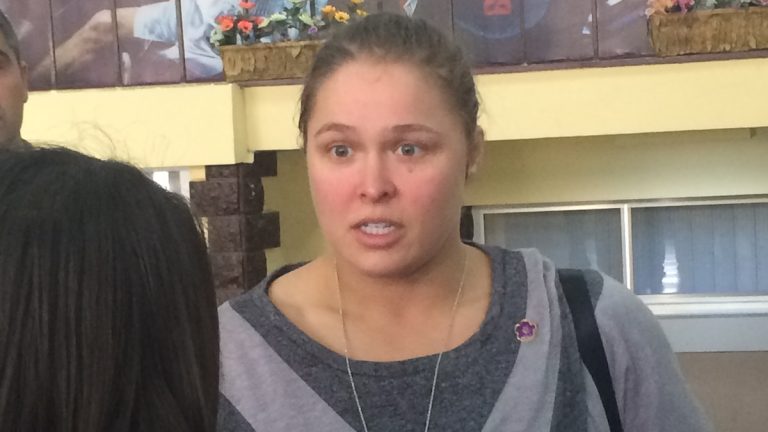
Ronda Rousey, former UFC women’s bantamweight champion, has publicly criticized the UFC for its current approach to fighter compensation. Speaking at a press conference on March 10, 2026, ahead of her upcoming bout with Gina Carano, Rousey detailed her concerns about the organization’s pay structure following its multibillion-dollar rights agreement with Paramount.
“It used to be that UFC was the best place in combat sports to make a living and get paid fairly, and now it’s no longer,” Rousey said. “A lot of these fighters are living at poverty level wages while the UFC’s revenues have never been higher.”
Rousey emphasized that, in her view, the UFC has shifted focus from rewarding athletes to maximizing profits for shareholders and corporate stakeholders. She pointed to what she described as an increasing number of fighters, not just those early in their careers, voicing dissatisfaction with low pay and a lack of transparency in contracts. In an interview with Jim Rome, Rousey stated, “They don’t care about putting on the best fights possible; they care about putting on the most cost-effective fights possible.”
WATCH:
Her comments come soon after details emerged of the UFC’s $7.7 billion deal with Paramount, an agreement that has significantly bolstered the organization’s annual revenue while marking a shift from traditional pay-per-view to a streaming-first model. This transition has provided greater stability for the business, but, according to critics like Rousey, has not improved the conditions or compensation for those competing inside the octagon.
According to industry estimates, UFC fighters receive a noticeably smaller share of total revenues compared to athletes in other major sports leagues such as the NBA and NFL. The conversation around fighter pay and revenue distribution has persisted for years, with increasing scrutiny as the UFC’s global expansion brings in record-high earnings.
Rousey also highlighted changes in the organization’s management structure and power dynamics since it was acquired by major investment groups and entered its current ownership era. “Dana isn’t the owner, and he isn’t calling the shots… he’s an employee of the company,” Rousey said, pushing back on the widespread belief that UFC President Dana White remains the primary decision maker. “The people making decisions now are the shareholders and the executives, and the fighters have less power than ever.”
During her own run as champion, Rousey was frequently referenced as the highest-paid woman in MMA, largely due to the significant pay-per-view interest she generated. She acknowledged her financial success in the sport, saying, “I’m the highest paid because I bring in the highest numbers.” However, she argued that the majority of fighters lack similar opportunities and face financial insecurity despite the growing earnings of the company. “The disconnect between what the company earns and what fighters receive needs to be addressed for the sport to move forward responsibly,” Rousey said.
A central element of her critique was the impact of the Paramount deal, which Rousey argued has influenced not only the distribution of revenue but also how fights are made. She expressed concern that matchmaking is driven more by budget constraints than by competitiveness or audience demand. “They don’t care about putting on the best fights possible; they care about putting on the most cost-effective fights possible,” she reiterated.
As of publication, the UFC had not issued a response to Rousey’s comments. In previous statements on the issue, the promotion has defended its pay structure by citing investment in athlete health, global opportunities, and expansion efforts. Whether Rousey’s remarks will trigger further discussion or prompt changes remains uncertain. Historically, public criticism from high-profile athletes has resulted in gradual, rather than sweeping, shifts in UFC’s approach to compensation.
Rousey’s statements reflect a broader ongoing debate within MMA. In recent years, a number of UFC fighters, including champions and contenders, have pushed for more transparency regarding revenue sharing and contractual terms. Some have openly supported unionization efforts or called for increased athlete representation to advocate for better long-term security and higher standards in fighter compensation.
The ongoing questions about pay come amid a period of significant financial success for the UFC, as new broadcast and streaming agreements have delivered record profits to its shareholders and executives. For many fighters on the roster, the central concern remains how these gains are shared, and whether a meaningful balance can be struck between business growth and fair athlete compensation.