Photo credit: Smash Cast on YouTube. Used for journalistic purposes, no copyright infringement intended.
Conor McGregor’s attempt to return to the UFC octagon has encountered significant delay, with the former two-division champion urging the promotion to clarify his contractual status amid sweeping changes to the UFC’s broadcast model and being left out of the Freedom 250 White House Card for June 14.
A central factor in the holdup is the UFC’s new multibillion-dollar broadcast agreement with Paramount, which shifts pay-per-view events to Paramount+’s subscription-based streaming platform. This new structure could fundamentally alter compensation for athletes long dependent on pay-per-view sales, particularly for high-profile names such as McGregor.
Speaking to The Independent earlier this year, McGregor addressed the direct impact of these changes on his own situation. “They’ve got a new deal with Paramount… and my contract essentially is void right now, because there’s no more PPV, whereas my contract was based on PPV sales,” McGregor said. His comments illustrate a belief that the move to streaming nullifies contract terms negotiated under the legacy pay-per-view framework. As of now, the UFC has not offered any public response or clarification regarding McGregor’s contractual standing or how the new broadcast agreement may affect legacy contracts for top-tier fighters.
Negotiations have remained at a standstill. Since January, McGregor has used social media on multiple occasions to call for a fight agreement. In one instance in February, McGregor stated, “I have been offered an opponent and a date and I accept. Waiting on my contract,” before later deleting the post. He continued to express impatience in the following days, tweeting, “Day 15 of ‘I accept, send the contract.’” That message was also deleted but highlighted his mounting frustration with the drawn-out process. Despite McGregor’s stated enthusiasm for returning, no bout or new contract has been officially announced by the UFC or its executives.
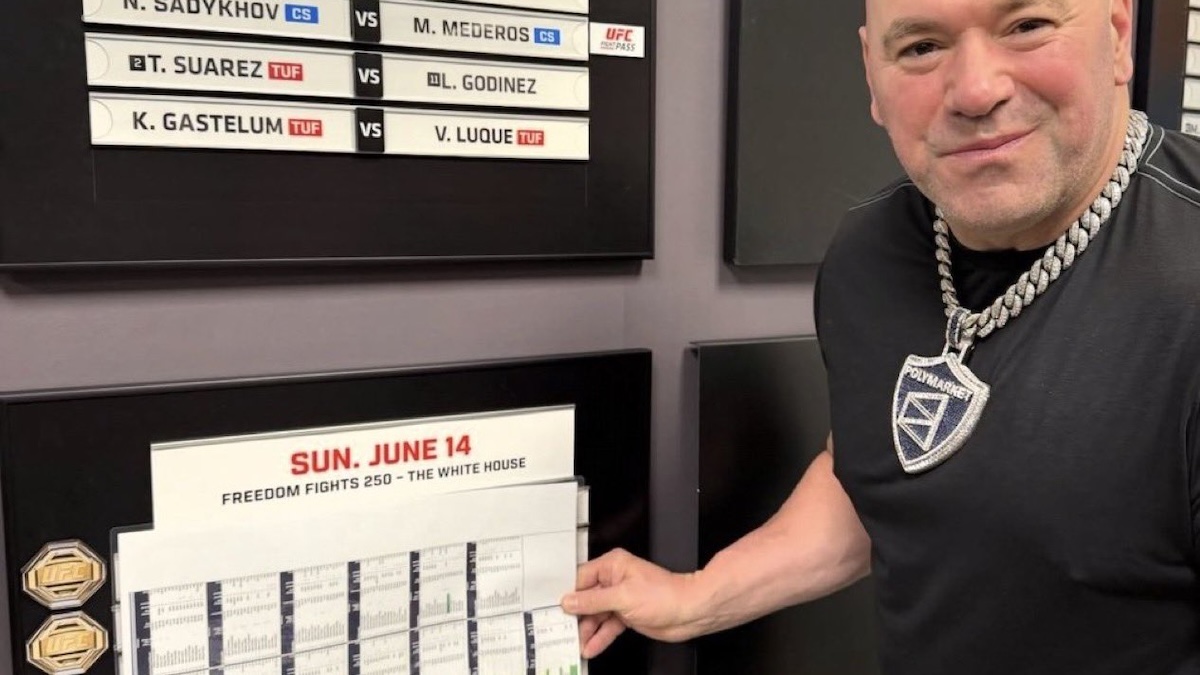
During the ongoing contract impasse, speculation intensified about a possible blockbuster UFC event scheduled for June 14, 2026, at the White House, an unprecedented venue for mixed martial arts. Now that the Freedom 250 card has been announced, with McGregor missing from its lineup, it seems that The Notorious’ involvement hasn’t met the taste for the UFC, with suggestions that the promotion intends to ‘water down’ name-power in favor of brand-power for events and overall company value.
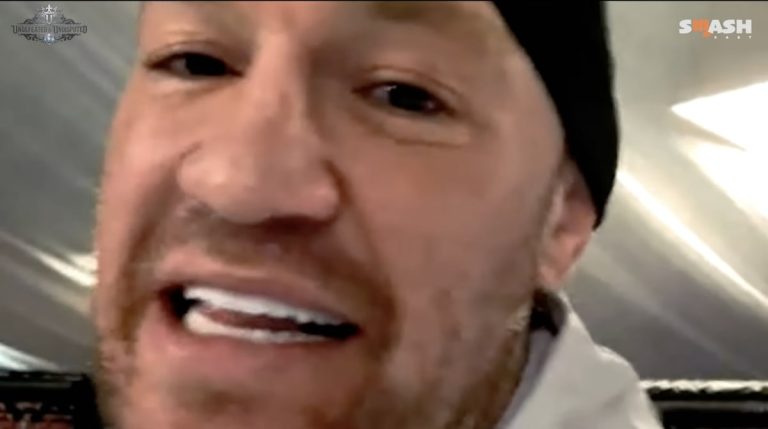
In recent days, Conor took to an interview with Smash Cast to vent his frustrations, saying “Send the contract! Yes, yes, yes. Day 15 of saying I accept. Send the contract! It’s like in this current climate, we’re all cattle… I’m just waiting to be f*cking wheeled out.”
WATCH:
Conor McGregor has started BEGGING the UFC for a fight 😬
— Happy Punch (@HappyPunch) March 7, 2026
“Send the contract! Yes, yes, yes. Day 15 of saying I accept. Send the contract!
It’s like in this current climate, we’re all cattle… I’m just waiting to be f*cking wheeled out.”
(via @smashcastmedia) pic.twitter.com/vePVWcqt4t
The broader implications of the UFC’s new streaming-based model are significant. Elite fighters have historically benefited from pay-per-view bonus points that often contributed the largest share of event headliner earnings. The transition to a flat-fee streaming structure introduces uncertainty for athletes who have built their compensation on high-volume PPV sales. For McGregor and others in similar positions, renegotiating contract terms may be essential to account for the new revenue model and secure their financial stake in marquee events.
McGregor has not competed since July 2021, when his trilogy fight with Dustin Poirier ended after he suffered a broken leg. Throughout his recovery and absence from the cage, speculation persisted about a potential return. In late 2025, McGregor reaffirmed his commitment to returning to active competition, intensifying the focus on his contractual situation.
The UFC lightweight division has continued to develop in McGregor’s absence, adding urgency to his return as new contenders emerge. However, until the uncertainties regarding his contract and broadcast-related pay structure are resolved, no return date or opponent has been set.
With both parties maintaining privacy concerning the specifics of ongoing talks, the mixed martial arts community remains attentive to any developments. Should McGregor and the UFC find a breakthrough in negotiations, the resulting agreement may set new precedents for top-tier contracts under the evolving streaming model.
For now, McGregor’s comeback remains on hold. His high-profile stance has brought fresh attention to the challenges involved in adapting fighter compensation amid significant changes in sports broadcasting. Whether McGregor will compete in the summer of 2026 or at the anticipated White House event remains uncertain. The situation underscores the growing complexities at the intersection of athlete pay, broadcast rights, and the business of modern combat sports.