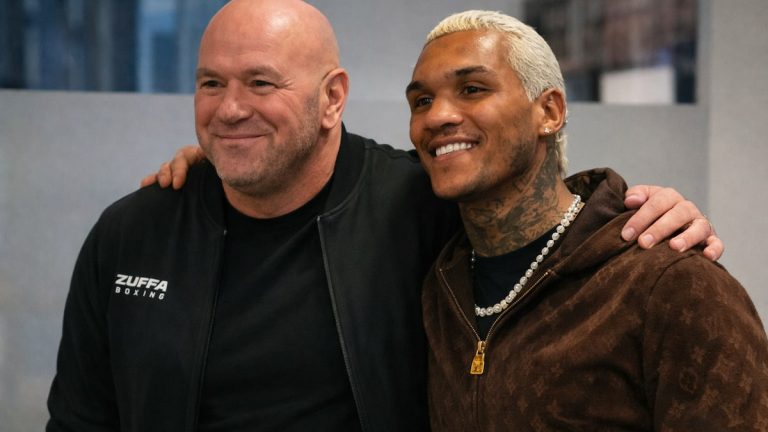
The recent emergence of Zuffa Boxing has brought renewed focus to compensation models across combat sports, following reports that English welterweight Conor Benn will receive roughly $15 million for a single bout headlining Zuffa’s 2026 lineup.
The payout, financed by Saudi investor Turki Alalshikh and his SELA entertainment group, quickly sparked public frustration among notable UFC athletes who see the deal as highlighting persistent pay disparities between boxing and MMA.
The scrutiny intensified after TKO Group Holdings Chief Operating Officer Mark Shapiro addressed concerns during a quarterly earnings call on February 25, 2026. Shapiro did not confirm the reported $15 million figure, but clarified that “the reported purse is not TKO going out of pocket. SELA… is covering the purse,” underscoring that Benn’s salary would not come from UFC or TKO resources. Shapiro likened the arrangement to Zuffa Boxing’s previous “superfight” headliners, explaining these events are unique and underwritten by outside investment rather than typical operating funds.
Zuffa Boxing’s strategy of financing events with external capital, rather than UFC budgets, has not alleviated concerns from established promoters. Rival promoters like Eddie Hearn have openly criticized Zuffa Boxing’s approach, questioning both their regulatory ambitions and their compensation for non-headlining fighters. Zuffa has advocated for changes to the Muhammad Ali Boxing Reform Act, seeking regulation updates they argue would benefit fighter rights, though not all industry leaders agree.
Within the UFC’s own ranks, news of Benn’s payday drew immediate responses from several top talents. Former UFC bantamweight champion Sean O’Malley weighed in on it, stating: “I don’t even know who Conor Benn is… I’m not making f*cking $15 million to fight.” O’Malley also speculated that CEO Dana White’s push into boxing was motivated by longstanding grudges within the industry, remarking, “Dana really wants to do it because he hates Oscar De La Hoya, he hates Eddie Hearn…”
Demetrious Johnson, former UFC flyweight champion, said he saw the deal as a demonstration of Dana White’s competitive drive in the promotional marketplace. “I think Dana White did it out of spite… Fifteen million dollars for one fight, boom, there you go,” said Johnson, highlighting the dramatic difference in pay scale between MMA stars and marquee boxers.
Michael Page, who has competed in both boxing and MMA and recently joined the UFC, added that such payouts for external talent illustrate how “to see how highly he values people outside the sport that kind of built his reputation is just upsetting… that just doesn’t do enough,” citing the relatively minor bonus increases for existing UFC athletes and the feeling that many remain underappreciated.
WATCH:
Precise details of Benn’s contract have not been confirmed by Zuffa or TKO leadership, as Shapiro declined to address the exact sum. The known structure is for a single appearance, with no immediate word on future agreements. The structure of the payout also aligns with highly publicized Canelo-Crawford events previously staged by Zuffa Boxing and SELA, which operated under similar models using outside capital for unique, large-scale nights.
As Zuffa Boxing pursues further regulatory reform, the timing and nature of these events place further tension on its relationship with the broader boxing industry. Concerns from major promoters and sanctioning bodies persist, especially as Zuffa’s financial practices challenge the established order and regulatory measures like the Ali Act.
This ongoing debate around the Benn contract is now emblematic of the broader questions in combat sports, how athletes are valued, and what role new investment and cross-sport promotions will play in shaping the future of both MMA and boxing. As revenue models evolve and external money becomes a fixture in the industry, questions about athlete compensation remain at the forefront for both fighters and fans.